

Knowledge & Insights forMission-Critical Facilities.
Case studies, whitepapers, perspectives, and news from Technavious practitioners knowledge built on 100+ live data center projects across India, the Middle East, and APAC.
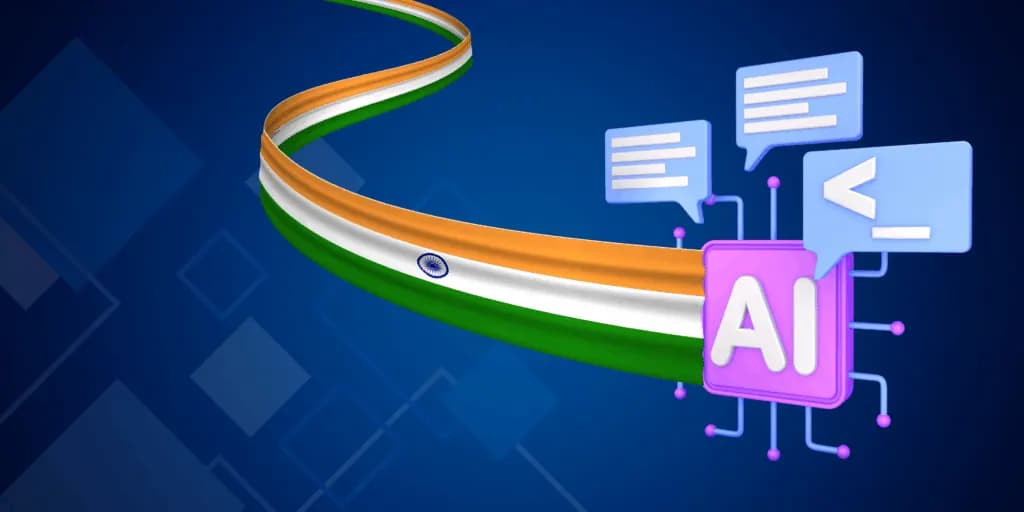
India’s AI ambition will ultimately be tested in its infrastructure
India is entering a defining phase in its artificial intelligence journey, marked by growing confidence in its ability to shape the global technology landscape and supported by visible alignment across policy, investment, and enterprise strategy. Industry gatherings such as the India AI Impact Summit, where global technology leaders have announced major collaborations, reflect a convergence of ambition, capital, and capability that signals one of the most consequential moments in India’s digital evolution. Policy measures, including long-term tax incentives for foreign cloud providers using Indian data centers, alongside an investment pipeline estimated at nearly $200 billion from hyperscale and enterprise players, reinforce the country’s intent to emerge not merely as a consumer of AI services but as a trusted global hub for AI compute and cloud infrastructure. Structural strengths further support this trajectory, including a digital ecosystem exceeding one billion internet users, a rapidly expanding pool of AI-skilled engineering talent, sovereign compute initiatives, and data-center capacity projected to grow from roughly one gigawatt today to as much as eight gigawatts by 2030. However, global infrastructure cycles consistently demonstrate that strategic intent often advances faster than execution capability. Rising power demand, land constraints in major hubs, and persistent gaps in AI-ready infrastructure across enterprises highlight the scale of coordination still required. India’s long-term AI leadership will therefore depend not only on sustained investment and policy momentum, but on the timely creation of resilient, scalable, and operationally reliable physical infrastructure capable of supporting this ambition at national and global scale. The central challenge is execution rather than aspiration The defining challenge in India’s AI infrastructure journey lies less in aspiration and more in disciplined execution. Facilities built to support AI workloads differ fundamentally from traditional enterprise data centers, with significantly higher power densities, more complex thermal management requirements, and far stricter uptime expectations as AI moves from experimentation to production. These shifts introduce engineering, operational, and regulatory complexities that many organisations are still learning to address at scale, particularly in a market where only a small proportion of enterprises are currently considered fully AI-ready and infrastructure maturity gaps remain widespread. Recurring risks are already visible across projects, including difficulty in securing reliable high-capacity power, even as data-center demand is projected to expand from roughly 1–1.3 GW today to about 1.7 GW by 2026 and potentially up to 8 GW by 2030, alongside cooling systems struggling under rising rack densities and location trade-offs that expose gaps in grid resilience, connectivity, and skilled operations. Power pressures are expected to intensify further, with AI-driven workloads projected to account for a growing share of national electricity consumption over the coming decade. Evolving compliance requirements further increase the likelihood of redesign, delay, and cost escalation when addressed too late. Fragmentation across design, construction, commissioning, and certification weakens accountability and erodes architectural intent. Together, these factors ultimately determine whether AI infrastructure scales predictably or demands costly retrofitting within a short lifecycle. Early infrastructure decisions create long-term consequences AI infrastructure provides limited tolerance for mid-cycle correction. Retrofitting electrical capacity, cooling systems, or compliance architecture after deployment is typically expensive, disruptive, and operationally risky. As AI compute requirements continue to expand, facilities designed only for present-day density assumptions may encounter accelerated obsolescence, leading to schedule delays and material cost overruns during expansion. Compliance expectations are also tightening through evolving regulatory frameworks and certification standards, and infrastructure that does not embed readiness from inception may face stalled approvals, delayed utilisation, or restricted eligibility for regulated workloads. Fragmented execution across lifecycle stages introduces additional long-term vulnerability. Each transition between planning, construction, and operations increases the likelihood of silent misalignment in power distribution, cooling design, or systems integration. These deviations may remain invisible during commissioning but can later manifest as operational instability, elevated downtime risk, or inflated total cost of ownership. Such outcomes are rarely sudden; they are usually the cumulative result of early design compromise combined with insufficient lifecycle accountability. Rethinking the planning and delivery model for AI infrastructure Mitigating these risks requires a shift in how AI infrastructure is conceived and delivered. Treating the data center as a long-duration operational asset rather than a one-time construction project enables phased scalability, forward-compatible density planning, embedded compliance, and integrated monitoring from the outset. Equally important is the movement from fragmented execution toward lifecycle accountability that spans strategy, design, engineering, commissioning, certification, and ongoing operations. Integrated delivery models of this nature are increasingly demonstrating that disciplined coordination can transform infrastructure complexity into predictable operational reliability, a transition that is becoming central to sustainable AI deployment at scale. This structural fragmentation led to the creation of Technavious as a dedicated data-center engineering and certification organisation rather than an extension of a broader construction or consulting practice. Conceived as “Born-in-DC,” its focus remains centerd on ensuring that mission-critical infrastructure is planned, engineered, and validated with continuity from early feasibility through certification readiness. Technavious is also among a small group of eight global ANSI/TIA certification bodies authorised to certify data centers on behalf of TIA, reflecting close alignment with internationally recognised standards and audit expectations. Such an approach underscores a wider industry recognition that data-center infrastructure must be built correctly from the outset to support long-term organisational resilience and reliability in the AI era. India’s AI leadership will be determined beyond announcements Industry forums, investment commitments, and policy direction together signal strong national intent. However, durable leadership in the AI era will ultimately be defined by the ability to deliver resilient, compliant, and future-ready infrastructure at scale. The decisive work occurs not in conference halls but in engineering design rooms, commissioning processes, and certification frameworks that ensure reliability over decades rather than quarters. India possesses the ambition, capital depth, and technical talent required to shape the next phase of global AI growth. The determining variable now is execution discipline across infrastructure planning and delivery. In the emerging AI economy, such discipline is no longer an operational detail but a strategic national advantage capable of defining long-term competitiveness.

How Clothing Choices Can Reduce HVAC Energy Consumption
How Clothing Choices Can Reduce HVAC Energy Consumption – Backed by Standards By Roshan Ramesh, DC Design Lead, Technavious In many Indian offices today, western formal wear is the default attire. These garments carry a high clo value (~1.0) , which means higher thermal insulation, higher metabolic heat, and the need for lower indoor temperatures ( 20–24°C ) to stay comfortable. During peak summers, achieving these temperatures becomes difficult due to high ambient heat, resulting in increased HVAC load and energy consumption. According to ASHRAE Standard 55 and ISHRAE Comfort Standards , thermal comfort depends heavily on clothing insulation. Higher clo values shift the comfort range toward lower indoor temperatures, increasing cooling demand. Ethnic wear—made from natural fabrics like cotton, khadi, and linen —typically has a lower clo value (~0.5) . These materials offer better breathability, lower insulation, and excellent suitability for warm climates. As per comfort standards, such clothing allows occupants to remain comfortable at 26–28°C , which aligns with the natural comfort band of 24–26°C . Shifting workplace attire from western formals to ethnic wear enables a 4–6°C rise in comfortable thermostat settings , which can deliver 4–8% energy savings per degree . Considering HVAC systems consume 40–60% of total building energy , this simple change creates a major impact on power reduction. This idea shows how adaptive comfort , supported by ASHRAE and ISHRAE guidelines, can be achieved through climate-appropriate clothing choices rather than excessive cooling. Ethnic wear isn’t just cultural—it’s scientifically efficient and energy-saving. As Technavious, we focus on data centres, and we can raise the question of whether we are fully leveraging the energy, cost, and sustainability benefits that local or indigenous materials can offer — and if not, what is holding back their broader adoption?”

Liquid Cooling Technologies for AI-Driven Data Centers
Liquid Cooling Technologies for AI-Driven Data Centers Artificial intelligence workloads are reshaping the demands placed on data centers. With AI hardware generating significantly higher heat densities, traditional air cooling methods increasingly fall short. Liquid cooling technologies have emerged as the leading solution to enable scalable, efficient, and sustainable AI data center operations. What Is Liquid Cooling? Liquid cooling involves circulating specially designed coolants directly to heat-generating components, such as CPUs and GPUs, to remove heat more efficiently than air-based systems. Common methods include direct-to-chip cooling, rear-door heat exchangers, and immersion cooling, where servers are submerged in dielectric liquid. Why AI Workloads Demand Liquid Cooling AI accelerators operate at power densities surpassing 50 kW per rack, levels that conventional cooling simply cannot sustain without large energy penalties or hardware throttling. Liquid cooling addresses several critical issues: Enhanced Thermal Management: Provides localized, high-capacity heat extraction that prevents thermal hotspots. Increased Rack Density: Enables denser server placement without overheating, supporting greater compute capacity per square foot. Energy Efficiency: Reduces cooling energy consumption, lowering overall Power Usage Effectiveness (PUE) often below 1.2 [depending on location] Types of Liquid Cooling Solutions Direct-to-Chip Cooling: Coolant pipes are integrated with heat sinks for direct contact with chips. Rear-Door Heat Exchangers: Attach to server rack doors to remove heat before it enters data halls. Immersion Cooling: Servers are immersed in non-conductive liquid tanks for uniform cooling. Implementing Liquid Cooling: Challenges & Best Practices Implementing or t ransitioning to liquid cooling requires careful planning to address: Operation and Maintenance: Reliable sealing, monitoring, and maintenance protocols are essential. System Integration: Compatibility with existing IT infrastructure and automation systems. Vendor-Neutral Solutions: Avoiding lock-in by selecting open, interoperable technologies. Training & Support: Ensuring teams are skilled in liquid cooling operations and emergency response. Technavious offers expert engineering and project management to guide enterprises through design, implementation, and operational stages, mitigating risks and optimizing performance. Conclusion As AI continues to transform enterprise computing, liquid cooling stands out as a foundational technology enabling the next generation of data centers. Efficient, scalable, and environmentally responsible, liquid cooling paves the way for sustainable AI growth. Partner with Technavious to design and deploy liquid cooling systems that meet today’s challenges and tomorrow’s opportu
Modular Data Center Designs: Flexibility and Scalability Explained
Modular Data Center Designs: Flexibility and Scalability Explained Modern enterprises face rapid fluctuations in digital demand driven by cloud expansion, AI workloads, and edge computing needs. Modular data center design has emerged as a strategic approach to address these challenges, delivering flexibility, faster deployment, and cost efficiency. What Is Modular Data Center Design? Modular design breaks down data center infrastructure into pre-engineered, factory-built units or modules which can be combined or expanded as required. These modules include power, cooling, IT racks, and networking components, designed for plug-and-play integration onsite. Benefits of Modular Data Centers Rapid Deployment: Modules are prefabricated, reducing on-site construction time significantly—from months to weeks. Scalability: Capacity can be incrementally added by installing additional modules to precisely match demand. Cost Control: Phased investments lower upfront capital expenditure and allow better resource allocation. Standardisation: Factory production ensures consistent quality, reducing design risks and improving reliability. Sustainability: Optimised energy efficiency through integrated cooling and power systems designed for specific loads. Key Considerations for Modular Design Site Preparation: Even modular units require thoughtful siting and infrastructure readiness, such as power feed and network access. Integration Complexity: While modules simplify construction, integrating management systems across units is critical for operational visibility. Vendor Neutrality: Choosing interoperable modules avoids lock-in and facilitates future upgrades or replacements. Regulatory Compliance: Modules must comply with local building codes, security, and certification standards. Technavious supports enterprises with end-to-end design, vendor evaluation, project management, and certification services for modular data centers that align perfectly with evolving business needs. Conclusion Modular data center design is redefining how enterprises approach infrastructure growth, marrying agility with resilience. Investing in modularity today equips organisations to scale sustainably and respond instantly to emerging technology demands. Partner with Technavious to architect modular solutions that deliver both performance and peace of mind.

Strategies for Reducing Data Center Power Usage Effectiveness (PUE)
Strategies for Reducing Data Center Power Usage Effectiveness (PUE) Power Usage Effectiveness (PUE) is a critical metric for measuring the energy efficiency of data centers. As enterprises face rising energy costs and increasing sustainability mandates, reducing PUE has become a top engineering and operational priority. Understanding PUE PUE is the ratio of total facility energy consumption to the energy consumed by IT equipment. A PUE of 1.0 is ideal, representing perfect efficiency where all power supports computing resources without overheads like cooling or lighting. Effective Strategies to Reduce PUE Optimised Cooling & Thermal Efficiency: Design for higher ΔT (temperature differential) and partial-load equipment efficiency to reduce HVAC energy consumption and minimise PUE, using climate-appropriate cooling architectures suited to regional operating conditions. Efficient Power Distribution: Use high-efficiency uninterruptible power supplies (UPS), transformers, and power distribution units to reduce electrical losses. Renewable Energy Integration: Incorporate solar, wind, or hydropower sources to offset grid consumption with clean energy. Intelligent Energy Management: Deploy DCIM (Data Center Infrastructure Management) tools to monitor real-time consumption and automate demand response. Hardware Upgrades: Select energy-efficient servers, storage, and networking equipment that operate reliably at lower power thresholds. The Role of Engineering Expertise Reducing PUE requires holistic design and operational oversight. Data center engineers must balance capacity planning, thermal management, and electrical design while aligning with business goals for sustainability and uptime. Technavious specialises in delivering customised energy optimisation strategies, combining technical audits, simulation modelling, and sustainable architecture principles. Conclusion Lowering PUE offers not only cost savings but also reduces environmental impact, enhancing brand reputation and compliance readiness. With expert guidance from Technavious, enterprises can achieve measurable efficiency gains and future-proof their data center operations for evolving energy lands
AI-Optimized Infrastructure for Scalable and Efficient Data Centers
AI-Optimized Infrastructure for Scalable and Efficient Data Centers The rapid proliferation of artificial intelligence workloads is driving a fundamental shift in data center infrastructure design. Enterprises require facilities engineered to handle the intense computational demands, thermal loads, and fast scalability associated with AI applications. Key Characteristics of AI-Optimized Infrastructure High-Density Compute Support: Infrastructure must sustain dense GPU clusters and accelerators with power densities often exceeding 50kW per rack. Advanced Cooling Technologies: Integration of liquid cooling and immersion systems to effectively manage heat while reducing energy consumption. Flexible Power Architecture: Redundant, scalable power delivery systems that accommodate variable load profiles common in AI processing. Intelligent Automation: Use of AI and machine learning for predictive maintenance, performance optimisation, and dynamic resource allocation. Modular Scalability: Modular design approaches enabling rapid capacity expansion aligned with AI workload demands. Benefits for Enterprises AI-optimized data centers deliver increased compute capacity, enhanced operational efficiency, and improved sustainability metrics. They help mitigate overheating risks and power bottlenecks, ensuring uninterrupted AI service delivery. How Technavious Enables AI-Ready Design Technavious offers bespoke engineering consulting and design services focused on the unique needs of AI workloads. By blending domain expertise with cutting-edge simulation and modelling tools, we help enterprises build resilient, efficient, and future-proof infrastructures. Conclusion Optimising data center infrastructure for AI is imperative for digital leadership. Partnering with Technavious equips enterprises with the engineering proficiency to navigate these complexities and capitalise on AI’s transformative potential.
AI-Optimized Infrastructure: Designing Data Centers for Advanced Workloads
AI-Optimized Infrastructure: Designing Data Centers for Advanced Workloads Artificial intelligence (AI) and machine learning workloads are transforming enterprise computing at an unprecedented scale. Engineering data centers to meet these demands requires a fresh approach to infrastructure design, focused on performance, efficiency, and scalability. Unique Requirements of AI Workloads AI data centers need to support ultra-high-density server racks housing GPUs and custom accelerators, which generate significantly more heat and consume more power than traditional servers. Latency, bandwidth, and data throughput must be maximised to meet demanding training and inference requirements. Design Strategies for AI-Optimized Data Centers High-Density Cooling Solutions: Incorporate direct liquid cooling and immersion cooling techniques to manage thermal loads efficiently. Robust Power Architecture: Design redundant, high-capacity electrical distribution with real-time load balancing and renewable power integration. Network Fabric Design: Implement low-latency, high-bandwidth networking with scalable architectures to support fast data movement. Modular and Scalable Layouts: Enable phased capacity expansion with modular units adapted for AI workloads. Intelligent Monitoring and Automation: Use AI-driven analytics for predictive maintenance, energy optimisation, and fault detection. Benefits of AI-Optimized Engineering Creating future-ready, AI-centric data centers ensures infrastructure is not a bottleneck for innovation. It delivers operational efficiencies, reduces total cost of ownership, and accelerates time-to-market for AI services. Technavious provides expert engineering consultation to design and execute AI-optimized data centers aligned with specific enterprise needs and sustainability goals. Conclusion Designing data centers for AI is a paradigm shift requiring integration of cutting-edge technologies and engineering methodologies. With dedicated expertise, enterprises can harness AI’s full potential, underpinning digital transformation with resilient and efficient infrastructure.

Data Center Risk Management: Essential Strategies for Enterprise Protection
Data Center Risk Management: Essential Strategies for Enterprise Protection In the ever-evolving digital landscape, data centers form the critical infrastructure underpinning organisational operations. Effective risk management ensures data centers maintain high availability, protect sensitive data, and comply with regulatory mandates. Identifying Key Risks Physical Risks: Including natural disasters, fires, theft, and vandalism. Operational Risks: Equipment failure, power outages, and cooling system inefficiencies. Cybersecurity Risks: Data breaches, ransomware attacks, and insider threats. Compliance Risks: Failure to meet industry certifications and regulatory requirements. Core Components of a Risk Management Framework Risk Assessment: Comprehensive evaluation of vulnerabilities and potential impacts. Mitigation Measures: Redundancy planning, disaster recovery strategies, and physical security enhancements. Monitoring and Detection: Continuous surveillance and automated alerts for environmental and cyber threats. Incident Response: Defined protocols for quick containment and resolution of incidents. The Role of Engineering in Risk Mitigation Strategic design choices—such as tiered redundancy, modular build, and advanced fire suppression—significantly reduce operational risks. Technavious offers consultative services to design resilient data centers and develop robust audit and compliance frameworks. Conclusion Proactive data center risk management is essential for uninterrupted service delivery and regulatory compliance. Partnering with experts like Technavious helps enterprises safeguard their digital assets and reputation through tailored engineering and operational strategies.

Sustainable Data Center Solutions: Engineering for a Greener Future
Sustainable Data Center Solutions: Engineering for a Greener Future The demand for data centers continues to surge globally, alongside growing environmental concerns and stringent carbon reduction targets. Sustainable engineering practices are now integral to data center design, operation, and management. Pillars of Sustainable Data Center Design Energy Efficiency: Utilising advanced cooling technologies such as free cooling, liquid cooling, and airflow optimisation to reduce power consumption. Renewable Energy Integration: Incorporating solar, wind, and other renewable sources to power facilities and reduce fossil fuel dependence. Water Conservation: Implementing water-efficient cooling techniques and reusing greywater where possible. Material Circularity: Engaging in sustainable construction practices using recycled materials and designing for future recyclability. Monitoring and Reporting: Employing sophisticated energy management systems to track consumption and ensure compliance with ESG mandates. Benefits Beyond Compliance Sustainable data centers achieve cost savings, improve brand reputation, and attract environmentally conscious clients and investors. Technavious partners with enterprises to engineer green data centers balancing sustainability with performance and reliability. Conclusion Sustainability is no longer optional but a strategic imperative in data center engineering. By integrating innovative green technologies and methodologies, enterprises can reduce environmental impact while delivering world-class digital infrastructure. Technavious is your trusted partner in building the data centers of tomorrow.

Why Data Centres Fail TIA 942 Certification: The Real Gaps Auditors Find
Understanding the Compliance Issues That Delay Certification and Increase Remediation Costs Introduction: Certification Failure Is Rarely About One Major Problem Most organisations preparing for TIA 942 certification assume that failure occurs because of a significant design flaw or a major infrastructure deficiency. In reality, that is rarely the case. Certification failures are typically the result of multiple smaller gaps that accumulate across power systems, cooling architecture, documentation, operational processes, and physical security. Individually, these issues may appear manageable. Collectively, they can prevent a facility from meeting the requirements of its target Tier rating. This often comes as a surprise to project teams. Infrastructure may have been designed by experienced consultants, constructed by reputable contractors, and operated by capable facilities teams. Yet certification audits continue to identify recurring issues that delay certification, increase remediation costs, and require additional audit cycles. Understanding these common failure points is one of the most effective ways to improve certification readiness. Organisations that identify and address these issues early generally experience smoother audits, lower remediation costs, and faster certification outcomes. Why TIA 942 Certification Matters The ANSI/TIA-942 standard establishes infrastructure requirements across power, cooling, telecommunications, architecture, security, and operational resilience. Certification provides independent validation that a facility meets recognised standards for availability, redundancy, maintainability, and operational reliability. For colocation providers, enterprise operators, hyperscaler facilities, and institutional investors, certification has become an increasingly important indicator of infrastructure quality. It influences customer confidence, procurement decisions, financing discussions, insurance assessments, and long-term asset value. Because of this, certification failure has consequences that extend beyond compliance. Delays can affect commercial launch plans, customer acquisition strategies, and investment timelines. The Most Common Reasons Data Centres Fail TIA 942 Certification 1. Power Path Redundancy Does Not Meet Tier Requirements Power infrastructure remains the single largest source of certification failure. Most Tier III and Tier IV certification issues originate from redundancy gaps that are either misunderstood during design or overlooked during implementation. On paper, a facility may appear compliant. During the audit, however, detailed tracing of the electrical path often reveals hidden single points of failure that compromise redundancy requirements. Common findings include: · Single points of failure within switchgear arrangements. · Shared bypass paths within UPS architectures. · Incomplete redundancy within generator fuel systems. · Transfer equipment that cannot support required fault conditions. · Distribution designs that introduce hidden dependency points. The challenge is that these issues are not always obvious from high-level diagrams. Auditors evaluate the complete power path from utility source to IT load, examining every component, connection, and dependency. A single unresolved point of failure can prevent a facility from achieving its intended Tier rating. 2. Cooling Architecture Does Not Demonstrate True Concurrent Maintainability Cooling systems represent another major source of certification challenges. Many facilities achieve component-level redundancy but fail to demonstrate that cooling infrastructure can be maintained without affecting live operations. This distinction is critical. Tier III certification requires concurrent maintainability. Tier IV introduces additional fault tolerance requirements. Meeting these standards involves more than installing additional equipment. Auditors frequently identify issues such as: · Shared chilled water infrastructure without adequate isolation capability. · Cooling components that cannot be serviced independently. · Insufficient redundancy within pumps, cooling towers, or distribution systems. · Airflow management issues affecting operational performance. · Cooling architectures that depend on manual intervention during failure scenarios. These problems often emerge because design intent and operational reality are not perfectly aligned. A system may appear compliant within design documentation while failing to demonstrate compliance during physical inspection. 3. Documentation Quality Falls Below Audit Expectations Documentation is one of the most underestimated aspects of certification readiness. Many organisations focus heavily on infrastructure while assuming documentation can be completed shortly before the audit. This approach frequently creates problems. Auditors rely on documentation to validate design intent, operational processes, maintenance practices, and infrastructure configuration. When records are incomplete, inconsistent, or outdated, confidence in the facility's compliance is reduced. Common documentation findings include: · As-built drawings that no longer reflect the installed environment. · Missing or incomplete single-line diagrams. · Inconsistent equipment records. · Incomplete commissioning evidence. · Missing maintenance procedures. · Outdated operating instructions. · Unverified asset information. Documentation deficiencies are particularly common in brownfield facilities where infrastructure has evolved over many years. Even when physical systems are compliant, poor documentation can delay certification. 4. Physical Security Requirements Are Not Fully Addressed Engineering teams often focus on power and cooling while giving less attention to security requirements. However, physical security forms an important component of the TIA 942 framework. Auditors regularly identify gaps such as: · Insufficient access control measures. · Weak separation between critical infrastructure and occupied spaces. · Incomplete perimeter protection. · Inadequate surveillance coverage. · Security designs that do not align with the target Tier level. These findings rarely result from negligence. More often, they occur because security systems were designed independently of certification objectives. The result is infrastructure that functions operationally but does not fully satisfy certification requirements. 5. Telecommunications and Cabling Infrastructure Is Overlooked Cabling compliance receives less attention than power or cooling systems, yet it remains a frequent source of audit findings. The telecommunications infrastructure within a data centre must support resilience, maintainability, and operational clarity. Auditors commonly identify: · Inadequate pathway separation. · Non-compliant cable routing practices. · Limited route diversity. · Incomplete labelling standards. · Outdated cabling documentation. · Poor cable management practices. These issues become particularly visible during physical inspections where documented pathways are compared against installed infrastructure. Facilities that have experienced multiple expansion phases are especially vulnerable to cabling-related findings. The Challenge of Discovering Gaps Too Late One of the most expensive certification mistakes is discovering major compliance issues after construction has been completed. At that stage, remediation often requires physical modification of operational infrastructure. Adding redundant power paths, reconfiguring cooling systems, introducing additional security controls, or updating cabling routes can become complex, disruptive, and costly. The earlier these issues are identified, the easier they are to resolve. This is why independent certification readiness assessments have become increasingly common among operators pursuing certification. Vendor Claims Versus Certification Requirements Another recurring challenge involves assumptions about vendor certifications and marketing claims. Equipment manufacturers frequently describe products as "Tier ready" or "TIA 942 compliant". While these claims may be technically accurate for the individual product, they do not guarantee facility-level compliance. Certification evaluates how infrastructure components operate together as an integrated system. A highly redundant UPS system does not automatically create a Tier III or Tier IV facility if the surrounding distribution architecture introduces single points of failure. Similarly, a compliant cooling unit does not guarantee certification if the wider cooling topology fails to meet maintainability requirements. Certification is determined by system architecture, not individual product specifications. Operational Readiness Is Often Overlooked Facility Certification evaluates more than physical infrastructure. Auditors assess whether operational teams have implemented the processes required to sustain compliance over time. Areas commonly reviewed include: · Maintenance management. · Change management. · Incident response procedures. · Training records. · Testing programmes. · Documentation governance. · Operational reporting. Many facilities with strong engineering foundations encounter difficulties because operational practices have not matured to the same level. Certification requires alignment between infrastructure and operations. Both must demonstrate consistency and discipline. How to Improve Certification Readiness Organisations seeking certification can reduce risk significantly by adopting several practical measures. Conduct an Independent Gap Assessment A structured pre-audit review provides visibility into potential issues before formal certification begins. Maintain Living Documentation Infrastructure changes should trigger immediate updates to drawings, records, and operational procedures. Develop a Formal Single Point of Failure Register Every power and cooling path should be reviewed systematically to identify hidden dependencies. Validate Redundancy Through Testing Design assumptions should be verified through practical testing wherever possible. Train Operations Teams Early Certification requirements should be understood by facilities personnel, not only by engineering consultants and project teams. Separate Design and Facility Certification Activities Allow sufficient operational stabilisation before pursuing Facility Certification. Attempting to compress certification activities immediately after construction often increases risk. Key Takeaways Most TIA 942 certification failures are not caused by a single critical flaw. They result from a combination of issues across power systems, cooling infrastructure, documentation, security, telecommunications, and operational processes. Power path redundancy and cooling maintainability remain the most common technical failure points. Documentation quality is frequently underestimated despite playing a central role in audit outcomes. Security, cabling, and operational readiness also contribute significantly to certification success. The most effective strategy is proactive preparation. Organisations that conduct independent gap assessments, maintain accurate documentation, validate redundancy thoroughly, and involve operational teams early consistently achieve better certification outcomes. Ultimately, certification success is not determined during the audit itself. It is determined by the decisions made throughout the design, construction, commissioning, and operational lifecycle of the facility.
The Investor's Due Diligence Guide to Indian Data Centres
A Practical Framework for Evaluating Data Centre Investments in One of the World's Fastest-Growing Digital Infrastructure Markets
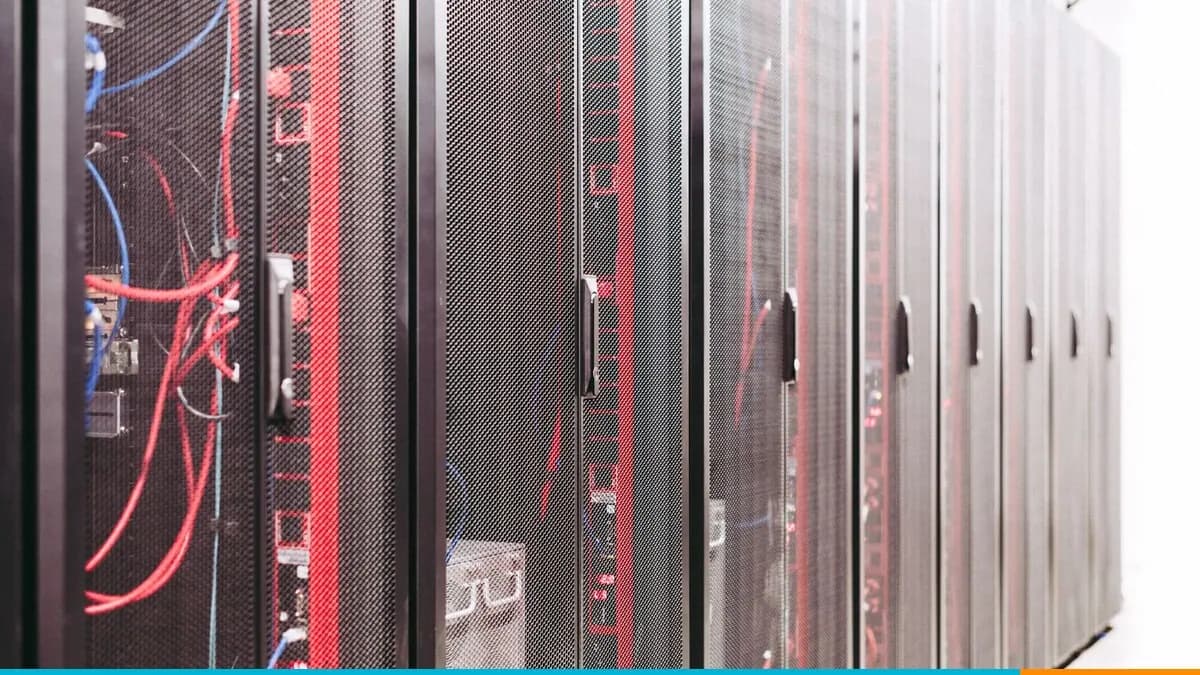
Hyperscale Data Center Operator, India
Live-facility power-density upgrade from 6 kVA to 15 kVA.
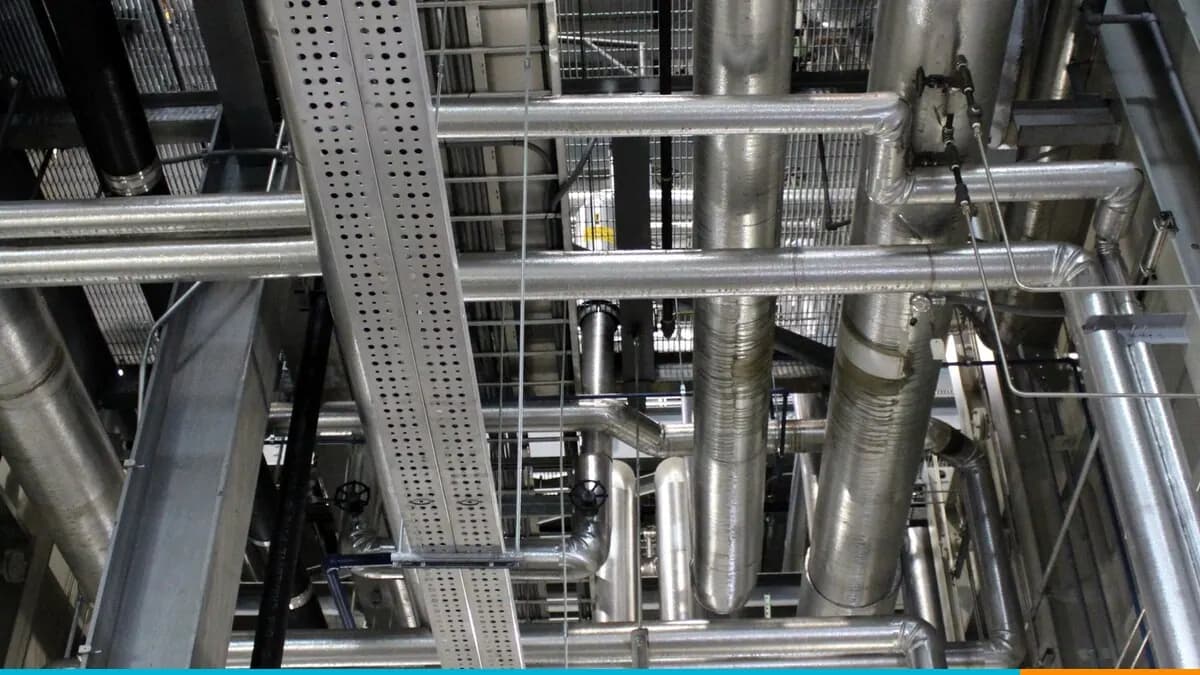
Colocation Data Center Operator, India
Simulation-led MEP design for a scalable 4 MW colocation facility.
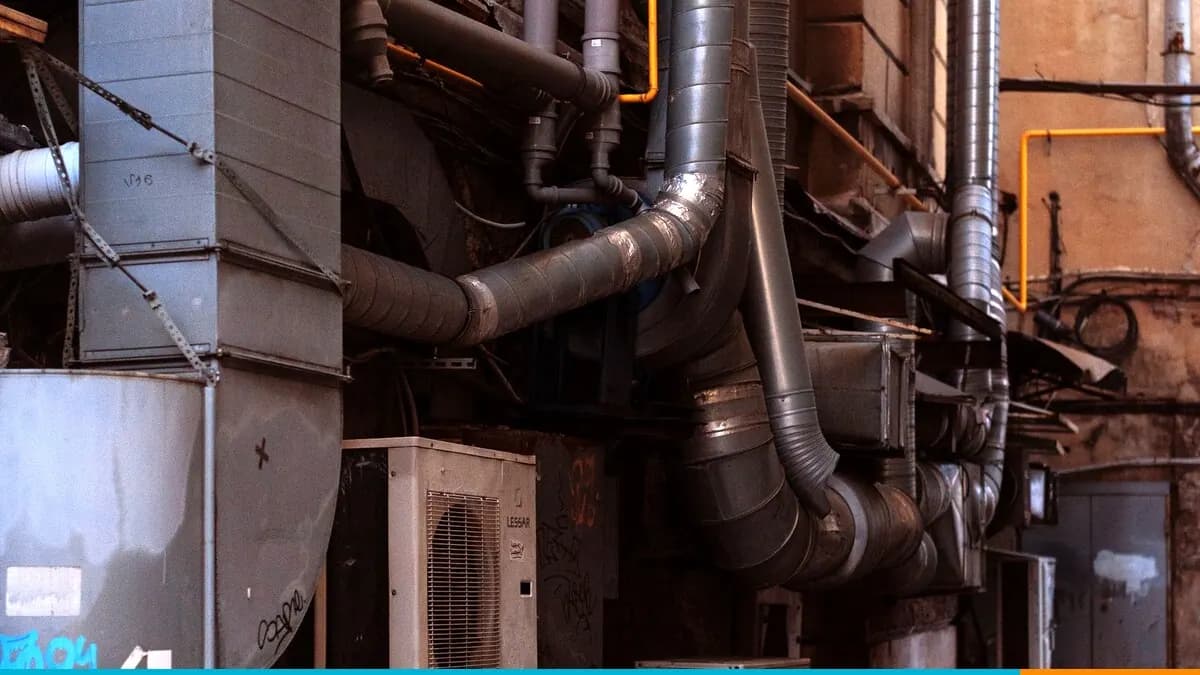
Colocation Service Provider, Jordan
A Colo Service Provider operating a 0.75 MW data center in Jordan was experiencing recurring cooling failures including chiller shutdowns,
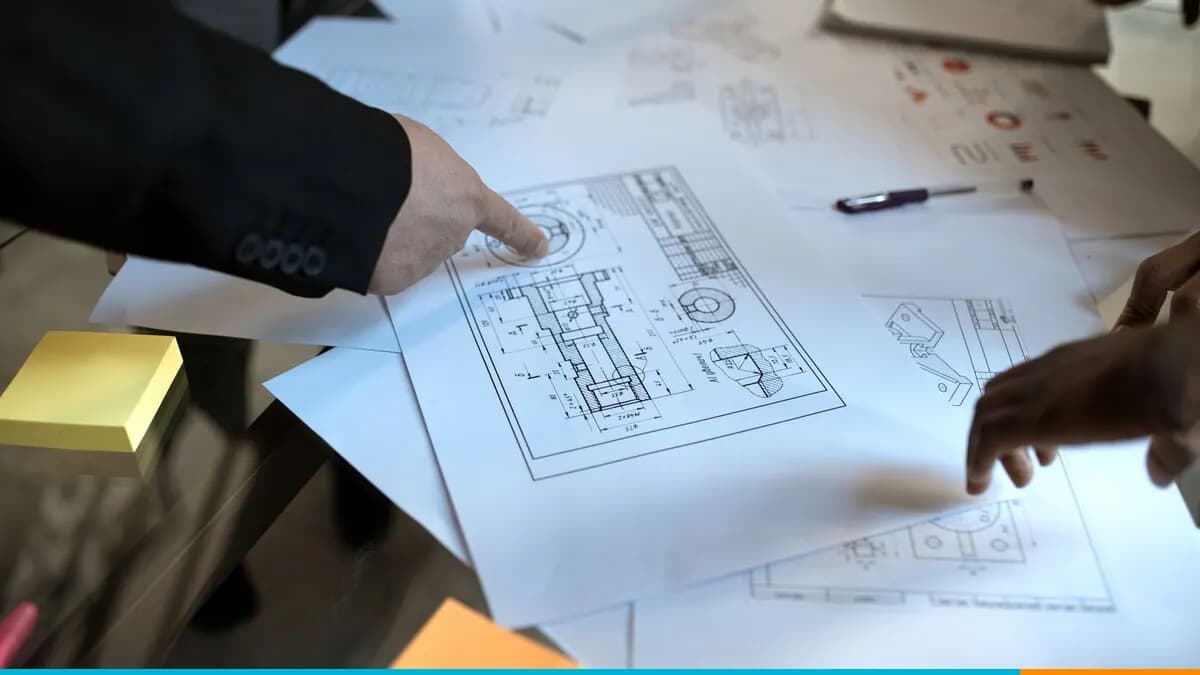
Hyperscale Data Center Operator, India (Two Sites)
Independent two-site design review exposing power and cooling gaps.
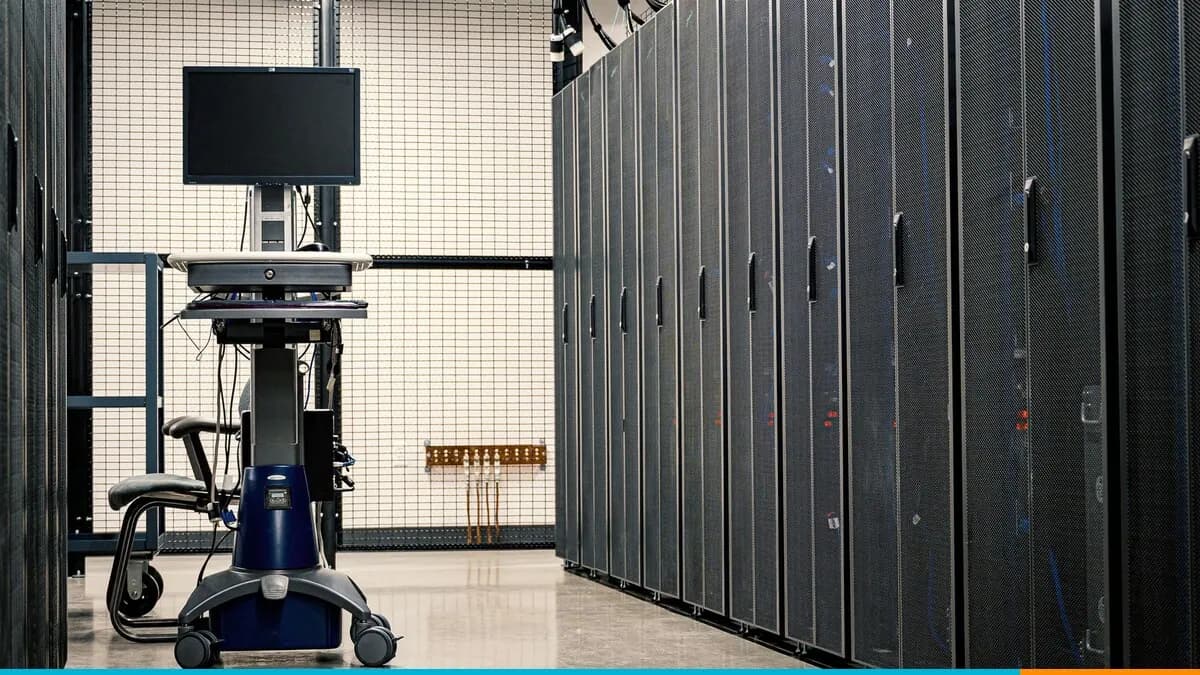
Leading Stock Exchange, India
One of India's oldest and largest stock exchanges operated a captive data center offering colocation services to its members. An immediate infrastructure upgrade was needed to meet surging customer demand for high-capacity colocation requiring additional rack capacity, structural strengthening, and compliance delivery, all within an existing live premises.
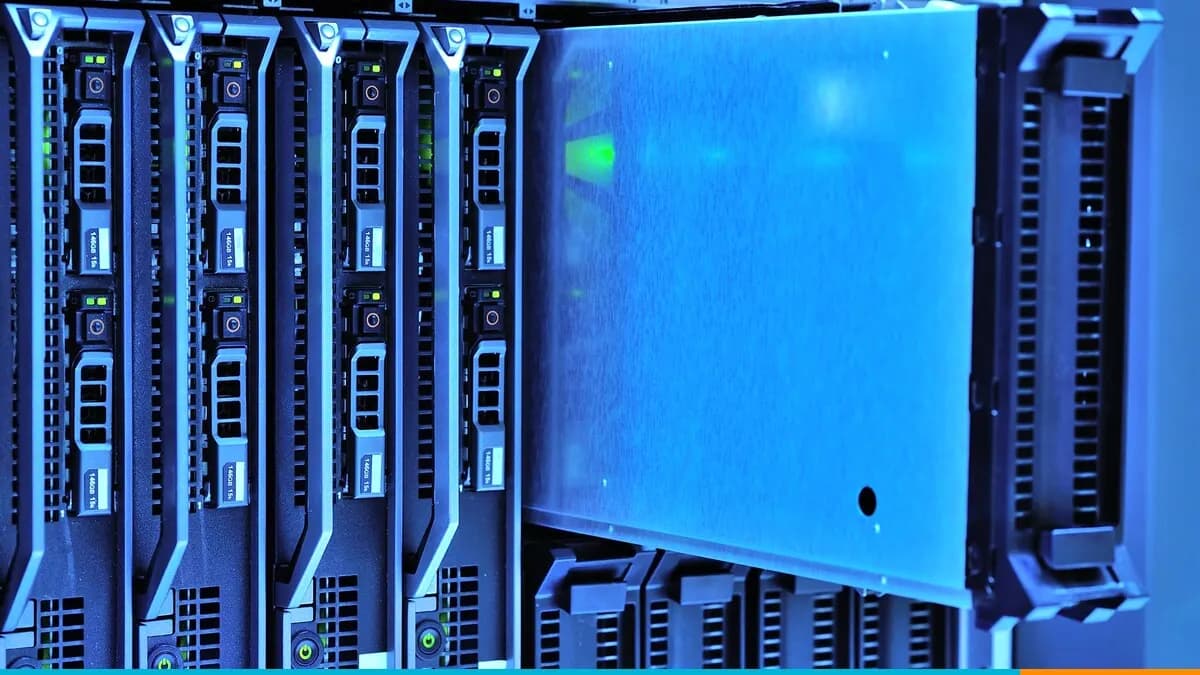
Leading Stock Exchange Company, India
Fast-track infrastructure modernisation for rising mission-critical capacity demand.
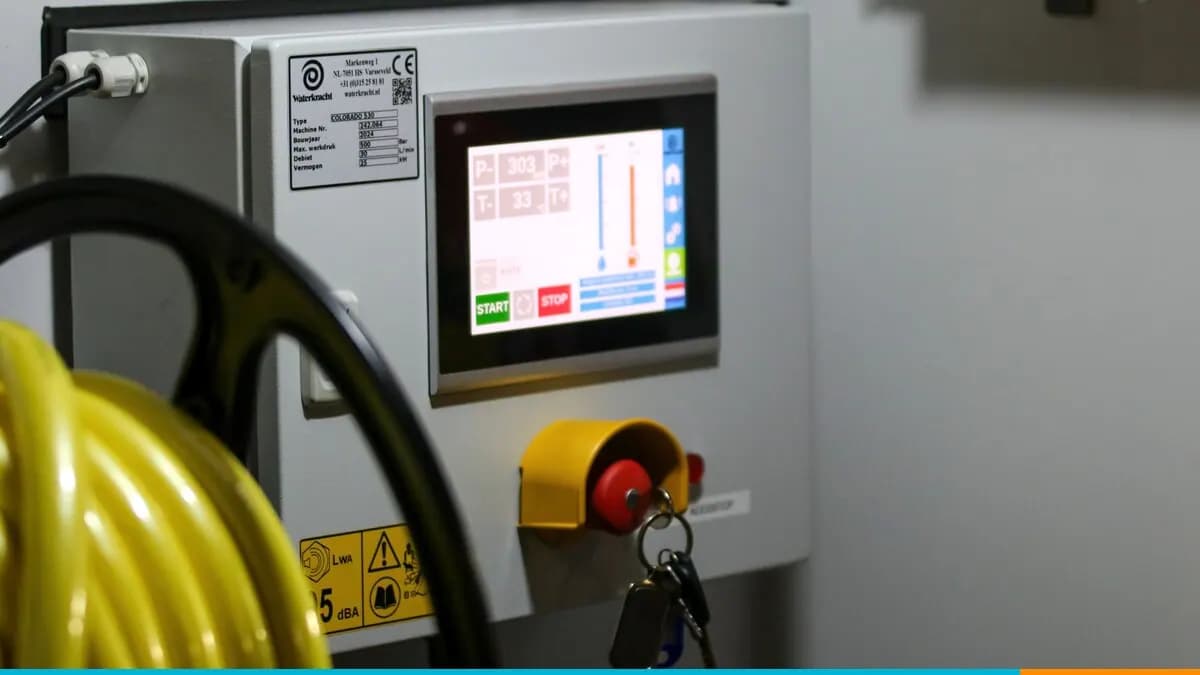
Data Center Project Owner, India
Post-IST risk assessment resolving documentation and project-closure exposure.
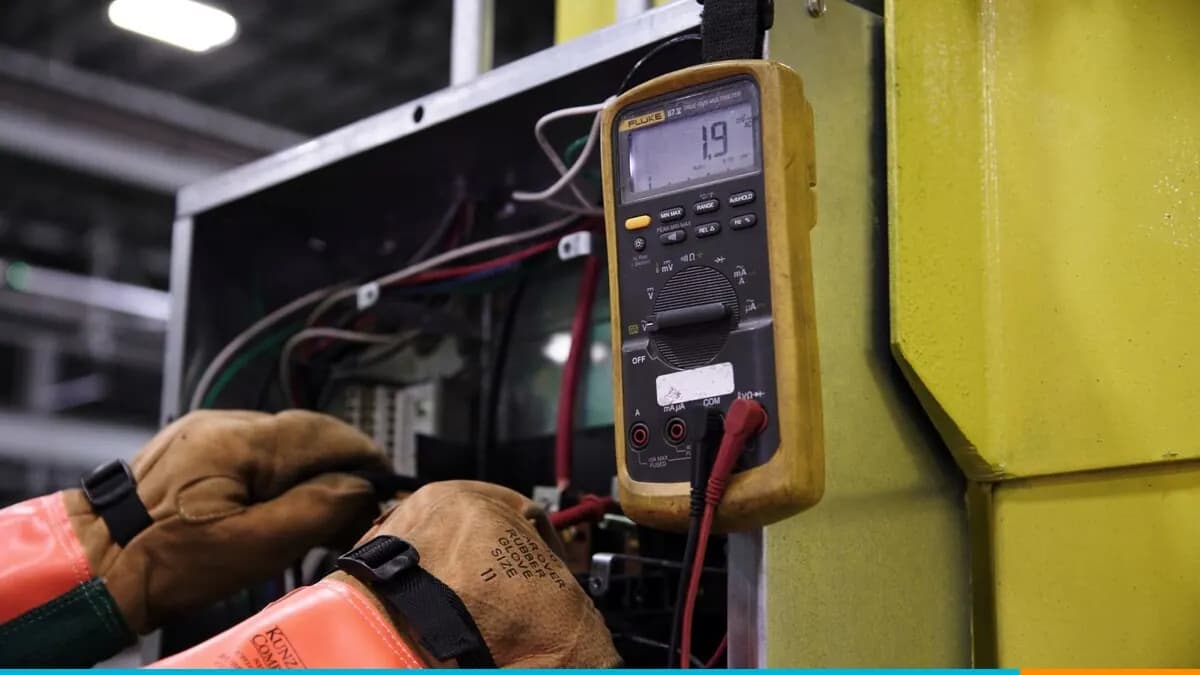
Everything Tested. Nothing Assumed
Commissioning lessons from independent validation across two facilities.
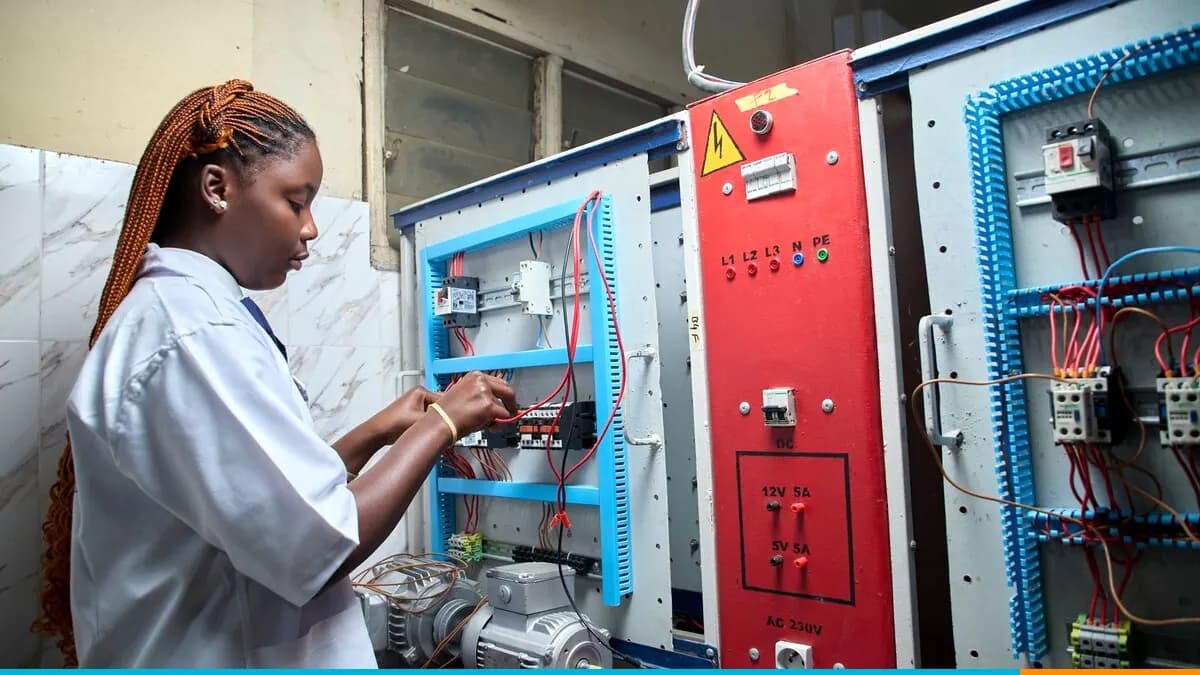
Data Center Operator, India (Two Sites)
Dual-site MEP electrical implementation, testing and production-ready handover.
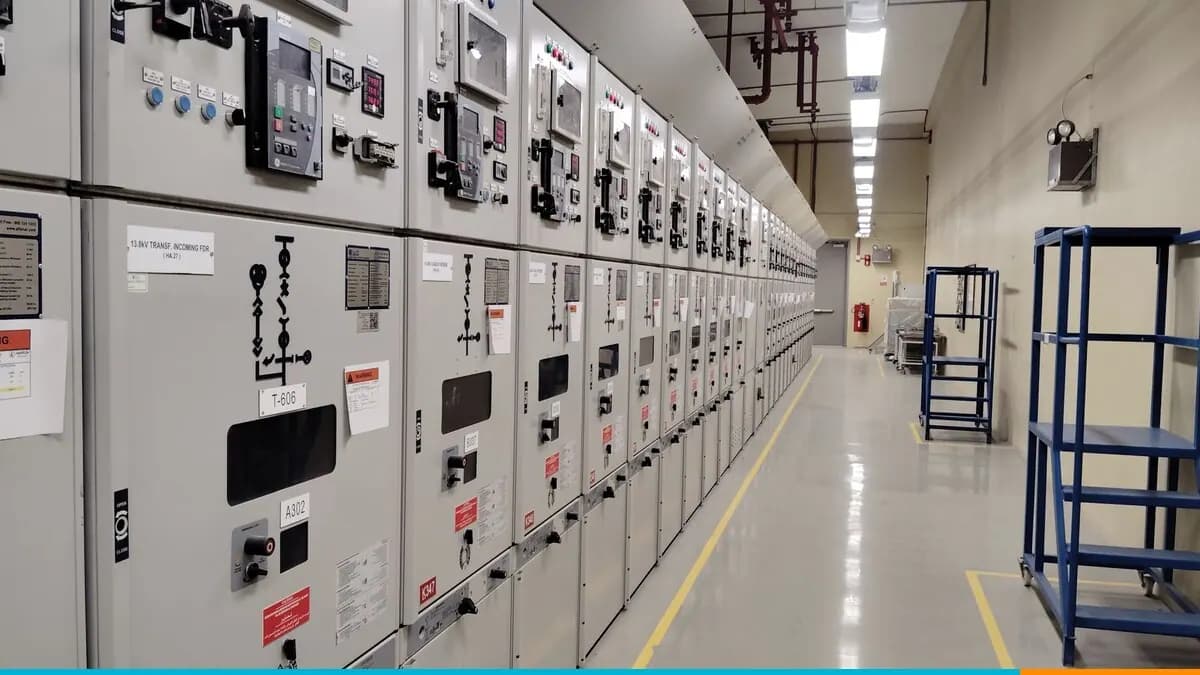
Automobile Manufacturing Company, India
Audit restoring redundancy and preventing repeat manufacturing outages.

Brownfield Data Center Upgrade in India
Strategic framework for modernising live data center infrastructure.

RBI Compliance and Data Center Resilience
How RBI expectations reshape resilience for regulated data centers.

Data Center TVRA in India: Understanding Threat, Vulnerability and Risk Assessment for Mission-Critical Facilities
Executive guide to formal threat, vulnerability and risk assessment.
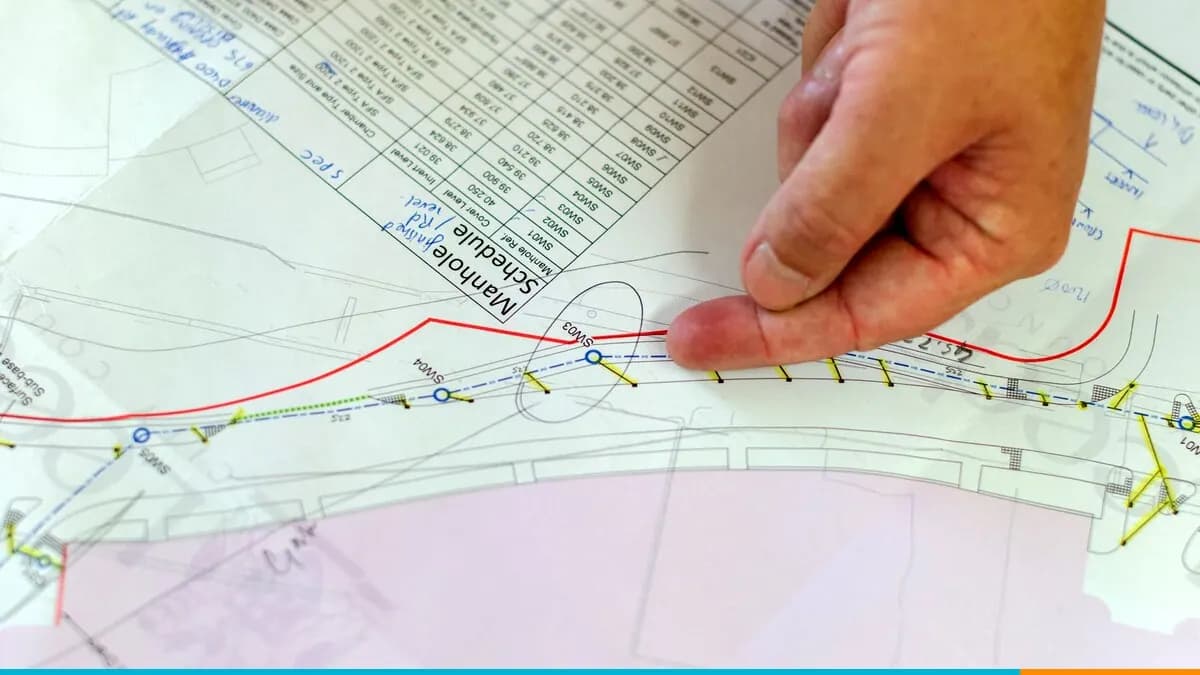
Data Center Feasibility in India
What a bankable feasibility study must evaluate before investment.

Navigating Data Center Compliance and Certification Standards
Practical guide to compliance frameworks and certification choices.

TIA 942 Certification in India: Process, Cost, and Timeline
Explains TIA 942 certification process, cost and timelines.
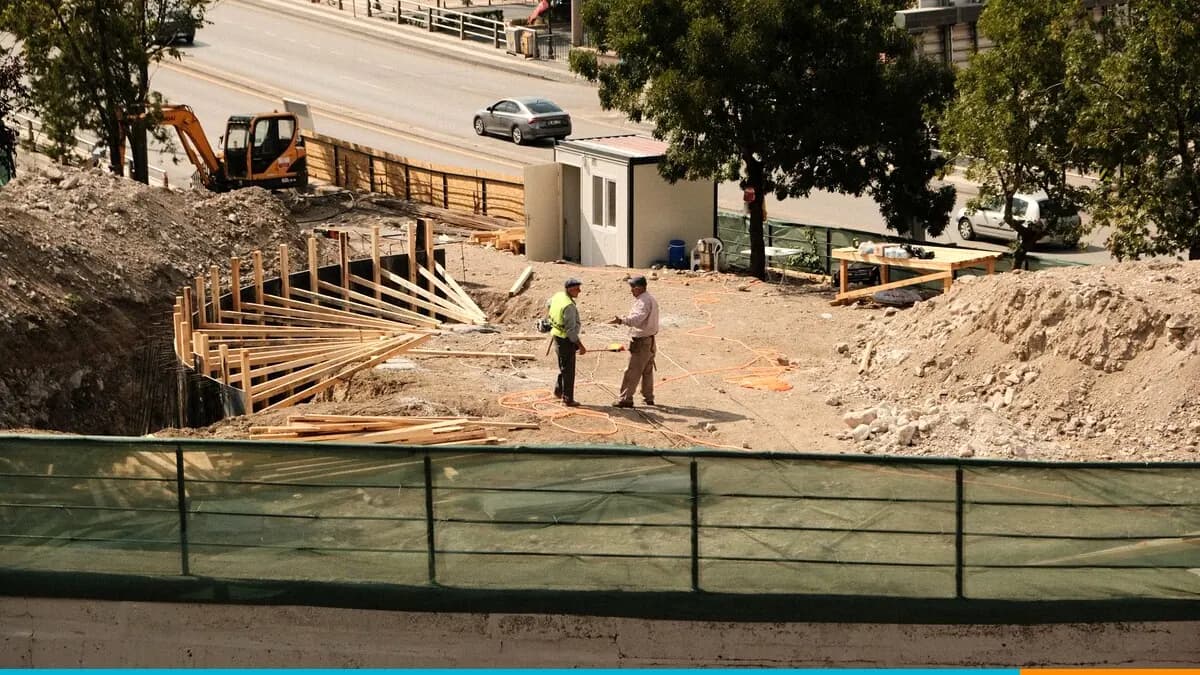
Data Center Feasibility Report India: Critical Site Selection Parameters Before Design Begins
Critical site-selection inputs before data center design begins.
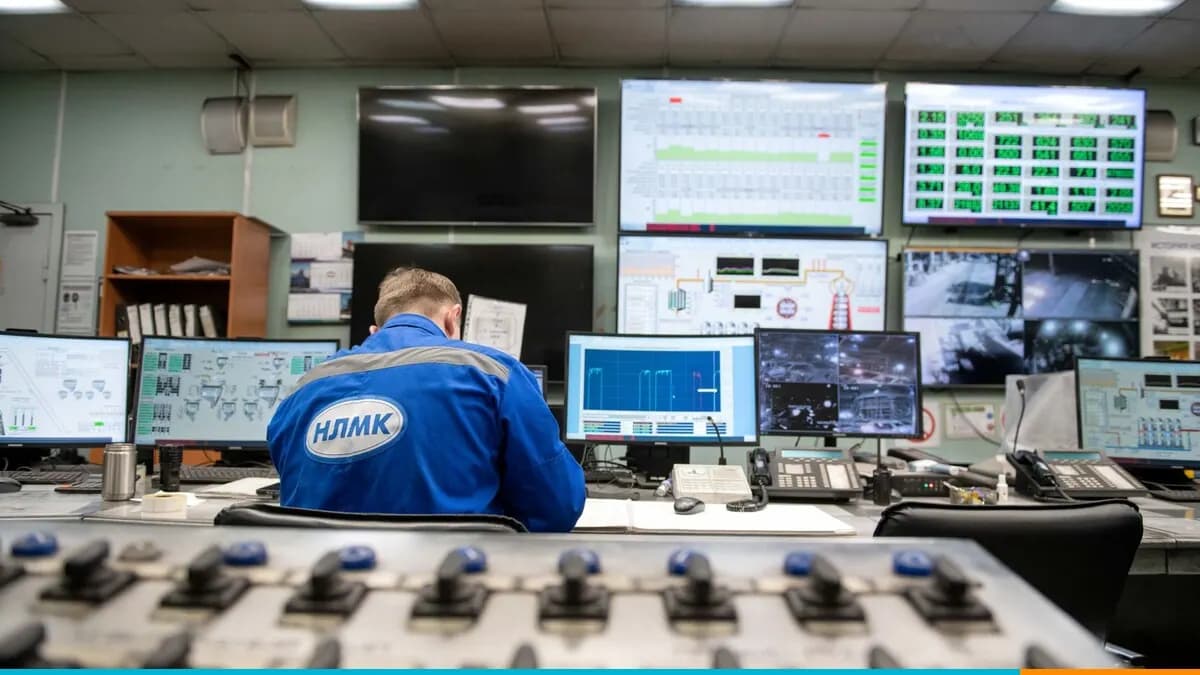
What Is Integrated Systems Testing (IST) in Data Centers and Why It Matters
Why integrated systems testing determines operational readiness.
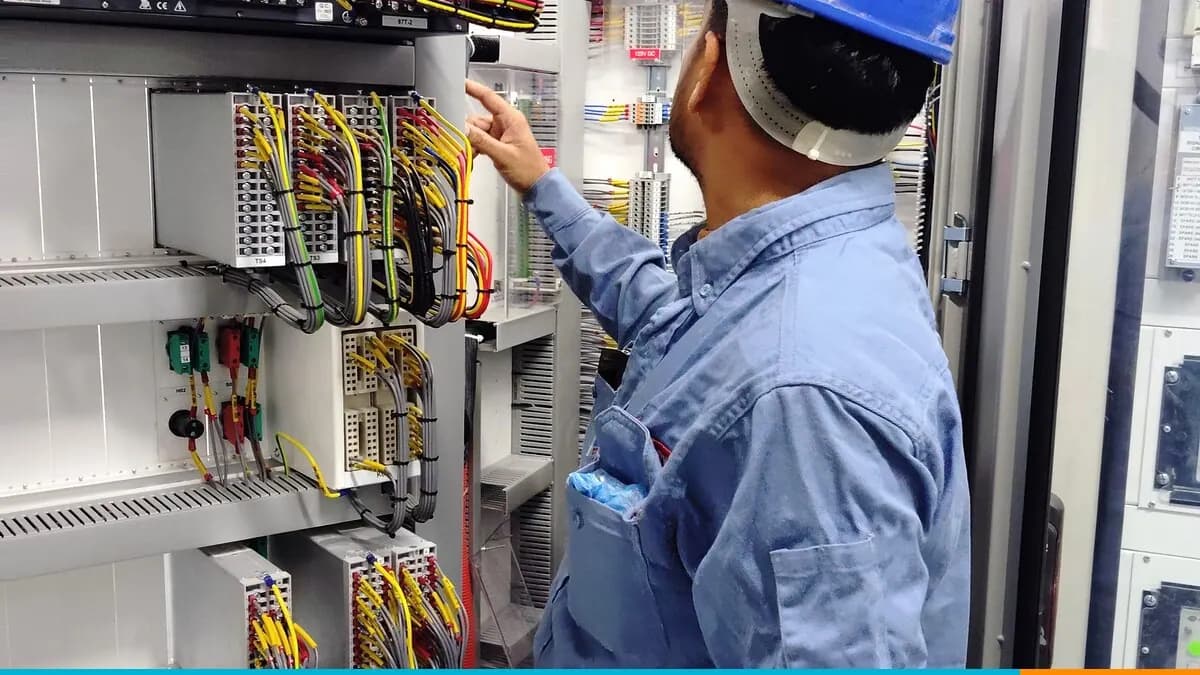
Brownfield Data Center Upgrade: What Most Teams Get Wrong
Common brownfield upgrade mistakes and how to avoid them.

Data Center Audit Checklist: What You Must Validate Before Go-Live
Go-live audit checklist for infrastructure and operational readiness.

SEBI’s TIA-942 Push: What Regulated Entities Must Do About Data Center Resilience
Implications of SEBI’s TIA-942 requirements for regulated entities.

Your Data Center Doesn’t Need to Be Bigger — It Needs to Be Modular
Why modular design improves scalability, speed and investment efficiency.
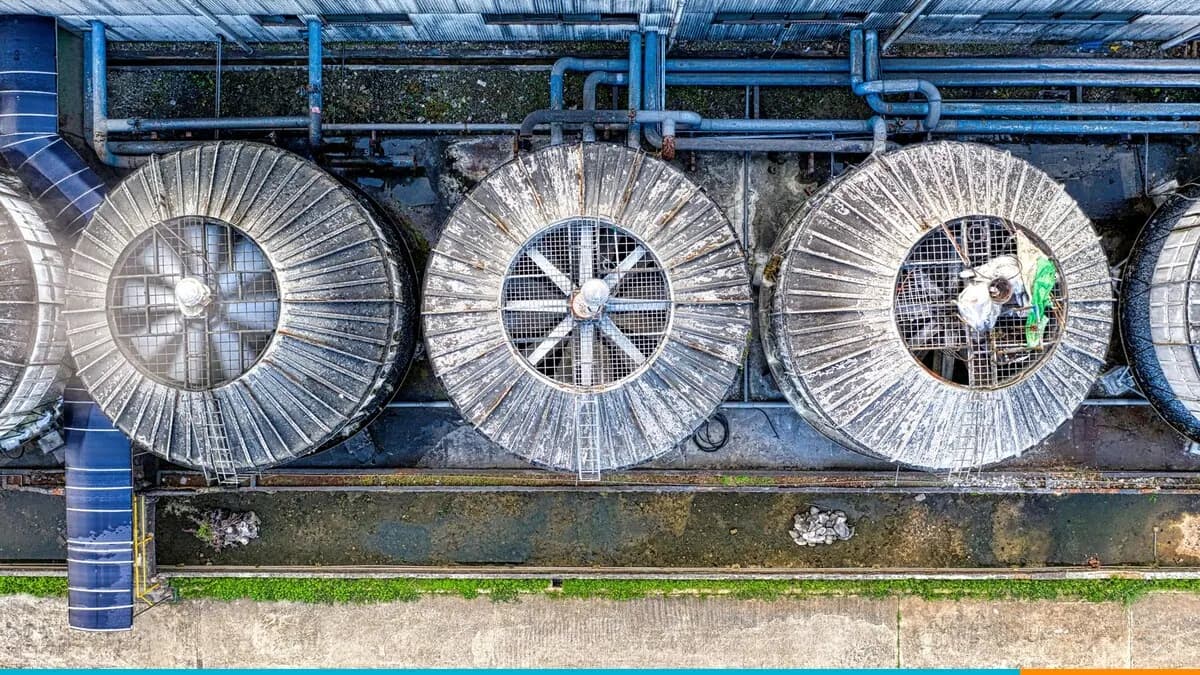
Powering Intelligence: Why India’s AI Ambitions Now Depend on Nuclear Reform
Powering Intelligence: Why India’s AI Ambitions Now Depend on Nuclear Reform
India’s Budget 2026: The Global Cloud Opportunity You Can’t Ignore
What Budget 2026 means for India’s global cloud opportunity.

What BFSI Organisations Need to Know in 2026
The Regulatory Environment Has Changed. Has Your Data Center? The compliance obligations facing Indian BFSI organisations with respect to their data center infrastructure have changed substantially in the past three years. New regulations have been issued, existing frameworks have been strengthened, and the enforcement posture of regulators has shifted from guidance-oriented to examination-oriented. For banks, NBFCs, insurance companies, payment operators and market infrastructure institutions, the question of whether their data center infrastructure meets current regulatory expectations is no longer theoretical. This article maps the current regulatory landscape as it applies to BFSI data center infrastructure in India, identifies the compliance gaps that Technavious most commonly encounters during BFSI facility audits, and explains how an integrated approach to certification and compliance reduces regulatory exposure while improving operational resilience. Note: this article references regulatory frameworks as understood at the time of publication (June 2026). BFSI organisations should refer directly to the relevant regulator for current requirements and seek qualified legal and compliance advice on their specific obligations. The Regulatory Landscape: What Applies to BFSI Data Centers in 2026 RBI Master Direction on IT Governance, Risk, Controls and Assurance Practices The Reserve Bank of India’s Master Direction on IT governance, issued in 2023 and applicable to scheduled commercial banks, urban cooperative banks, NBFCs and payment system operators, establishes comprehensive requirements for IT infrastructure governance. For data center infrastructure specifically, the Direction requires: formal IT risk management processes covering physical infrastructure risks; documented business continuity and disaster recovery arrangements tested against defined RTOs and RPOs; third-party risk management covering data center service providers; and periodic assurance reviews of IT infrastructure controls. RBI IT examinations now assess not just whether these policies exist, but whether they are implemented and effective. Data center infrastructure that has not been formally assessed, documented and tested against the Direction’s requirements is a regulatory examination risk. SEBI Circular on Cybersecurity and Cyber Resilience Framework SEBI’s cybersecurity framework for market infrastructure institutions (stock exchanges, depositories, clearing corporations) and regulated intermediaries includes specific requirements for critical infrastructure resilience. The framework requires formal risk assessment of critical infrastructure, defined availability targets for systems supporting market operations, documented and tested DR arrangements, and third-party security assessments of hosted infrastructure. The physical security and resilience requirements of the framework apply directly to data center facilities hosting regulated market systems. Digital Personal Data Protection Act, 2023 The DPDP Act imposes obligations on Data Fiduciaries and Data Processors to implement appropriate technical and organisational measures to protect personal data. The Act does not prescribe specific technical standards, but the regulatory guidance developing around it is clear that infrastructure security, including the physical and logical security of data center facilities processing personal data, is within scope of the security obligation. For BFSI organisations processing large volumes of customer personal data, the DPDP Act creates a direct regulatory interest in the security posture of their data center infrastructure. PCI-DSS 4.0 PCI-DSS version 4.0 became mandatory in April 2024. The new version strengthens several requirements relevant to data center physical security, including more prescriptive controls around physical access to cardholder data environments, enhanced requirements for media protection and disposal, and a new emphasis on customised implementation approaches that require organisations to document how their specific controls meet the intent of each requirement. For BFSI organisations processing payment card data, PCI-DSS 4.0 compliance review of data center infrastructure is a near-term requirement. ISO 27001:2022 The 2022 revision of ISO 27001 introduced updated controls in Annex A that are relevant to data center infrastructure: new controls around physical security monitoring, threat intelligence, and information deletion -each of which has implications for data center operations. BFSI organisations that hold ISO 27001 certification (or are seeking it) should review their Statement of Applicability and control implementation against the 2022 revision requirements. Operational Resilience as a Regulatory Requirement The concept of operational resilience, the ability of an organisation to prevent, adapt to, respond to, recover from and learn from operational disruptions, has moved from best practice to regulatory requirement for Indian BFSI organisations. RBI’s IT Direction and SEBI’s cyber resilience framework both use the language of operational resilience explicitly, and their requirements go beyond traditional business continuity planning. For data center infrastructure, operational resilience has specific infrastructure implications: • Availability targets must be defined and documented at the infrastructure level, not just at the application or service level • The physical infrastructure must be designed and certified to meet those availability targets, not assumed to be adequate • Failure scenarios must be tested, not just planned for, and test results must be documented and presented to the board • Third-party data center providers must be held to the same resilience standards as captive facilities, and their compliance must be verified, not assumed TIA 942C certification provides a framework for demonstrating that the physical infrastructure meets defined availability and resilience standards. An organisation that can present a TIA 942C Rated Certificate for its data center infrastructure has objective, third-party evidence that the facility was designed and built to meet a defined resilience standard – evidence that carries weight with regulators, auditors, insurers and board-level governance. Technavious’s BFSI Practice Technavious has deep experience working with BFSI organisations on data center compliance and certification. The practice covers the full spectrum of BFSI infrastructure compliance requirements: • RBI IT Direction compliance gap assessment – a structured review of data center infrastructure controls against the Master Direction’s requirements, producing a prioritised remediation plan • TVRA – Threat, Vulnerability and Risk Assessment conducted to TIA 942C and ISO 27001 standards, producing documentation suitable for RBI examination submission • TIA 942C certification – as India’s only ANSI/TIA Certification Body, Technavious can issue TIA 942C Rated Certificates that provide objective evidence of infrastructure resilience • ISO 27001 support – gap assessment and remediation advisory against the 2022 revision, with integration of physical infrastructure controls • PCI-DSS 4.0 infrastructure review – assessment of cardholder data environment physical security controls against version 4.0 requirements • DR testing programme design and execution – formal DR test programmes that produce documented evidence of RTO/RPO capability for regulatory submission

Why Data Center Commissioning Decides the Success of India’s AI Build-Out
Why commissioning determines whether announced AI capacity becomes operational.
National Critical Infrastructure Organisation, India
High-density capacity upgrade within live national critical infrastructure.
Multinational Telecom Company, Vietnam
TIA 942 Rated-3 certification for a multinational telecom facility.
Leading Private Sector Bank, India
Health-check delivering 500-plus incident-free days for a leading bank.
Managed Office Solutions Provider, India
End-to-end design, build, commissioning and ISO-governed handover.

The Intelligence, In Your Inbox
New case studies, whitepapers, and perspectives delivered directly to you. No spam, unsubscribe any time.